What is technical diving?
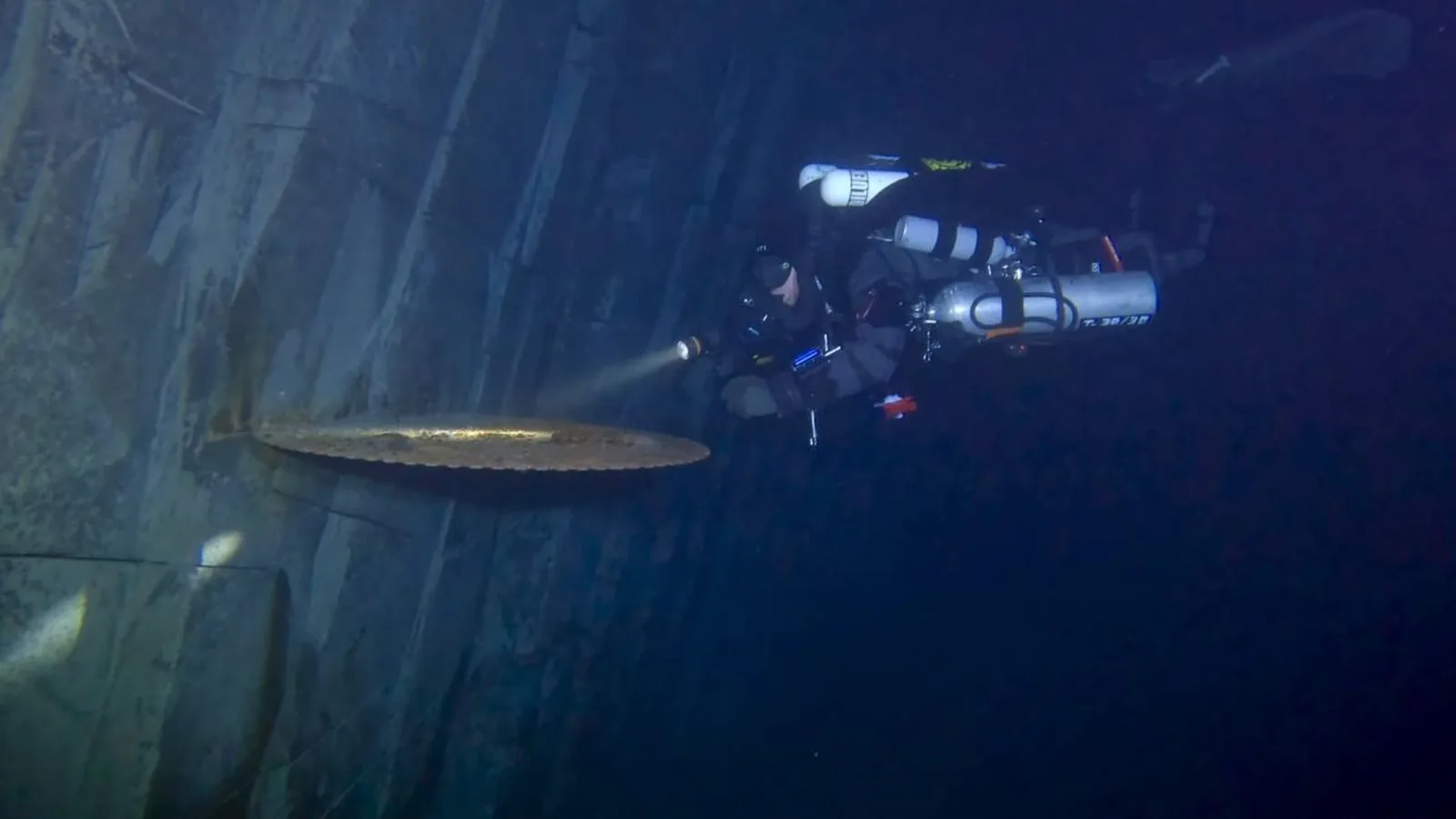
A dive becomes technical as soon as a direct ascent to the surface is no longer a safe option. Three situations define it:
- mandatory decompression: stops are required before you can surface;
- depth: beyond 40 m, air becomes unsuitable (narcosis, oxygen toxicity) and you switch to mixed gases;
- an overhead: cave, mine or wreck penetration, where the exit is horizontal.
These environments do not forgive improvisation. That is why technical training focuses on planning, redundant equipment and procedures repeated until they become reflexes.
Prerequisites to get started
Agencies such as TDI set precise prerequisites (certification level, number of dives, age) for each course. Beyond the numbers, a technical instructor looks for:
- stable buoyancy and horizontal trim, without using your hands;
- the ability to handle your equipment without looking (valves, regulators, DSMB);
- calm in the face of a problem: loss of visibility, regulator failure, gas sharing.
If any of these points is weak, a few practice dives beforehand will save a lot of time and add a lot of safety later on.
The pathway, step by step
At Neotec, each course is placed at its actual maximum depth. The order below is the most common progression in open circuit:
| Step | Max. depth | What you learn |
|---|---|---|
| Intro to Tech | — | The starting point: buoyancy, trim, propulsion and technical configuration |
| Advanced Nitrox & Deco | 45 m | A deco cylinder (S40/S80) to speed up stops, gas switches, decompression planning |
| Helitrox | 45 m | A first helium-enriched mix to reduce narcosis |
| Extended Range | 55 m | Complex decompression profiles and full technical configuration |
| Normoxic Trimix | 60 m | Helium, multi-gas management, clear-headed dives at depth |
| Hypoxic Trimix | 100 m and beyond | Travel and bottom gases for deep exploration |
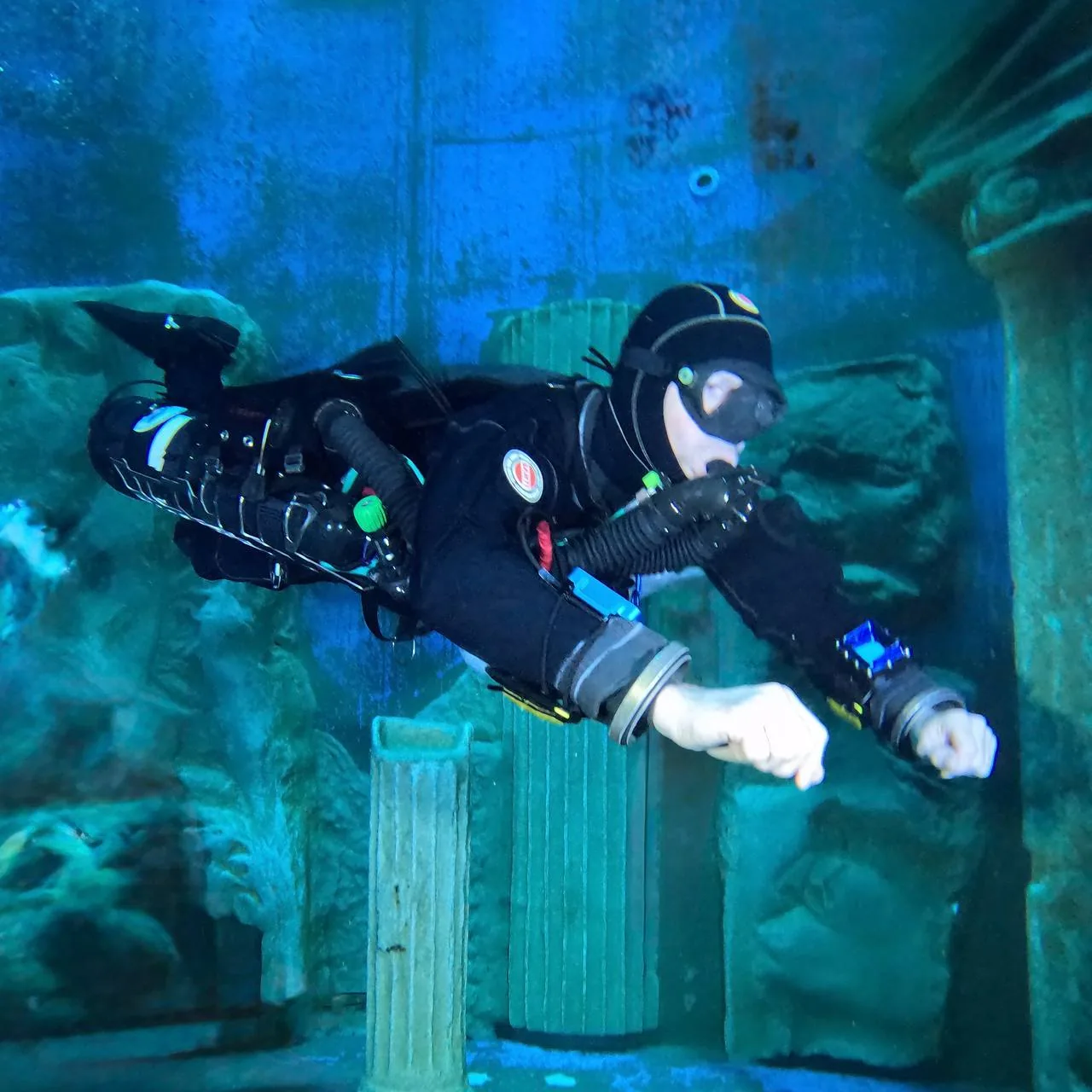
Each step is validated in theory, in confined water and in open water. Repeating some dives is not unusual: a technical certification means you can handle several failures at once, not just that you attended a course.
Open circuit or rebreather?
The same pathway exists on a rebreather (CCR). The choice depends on your goals: open circuit is simpler to maintain and understand, while a rebreather offers far greater gas autonomy, warmth and silence. Many divers start on open circuit to master decompression, then move to CCR. We cover this question in our rebreather vs open circuit comparison.
What really changes: the method
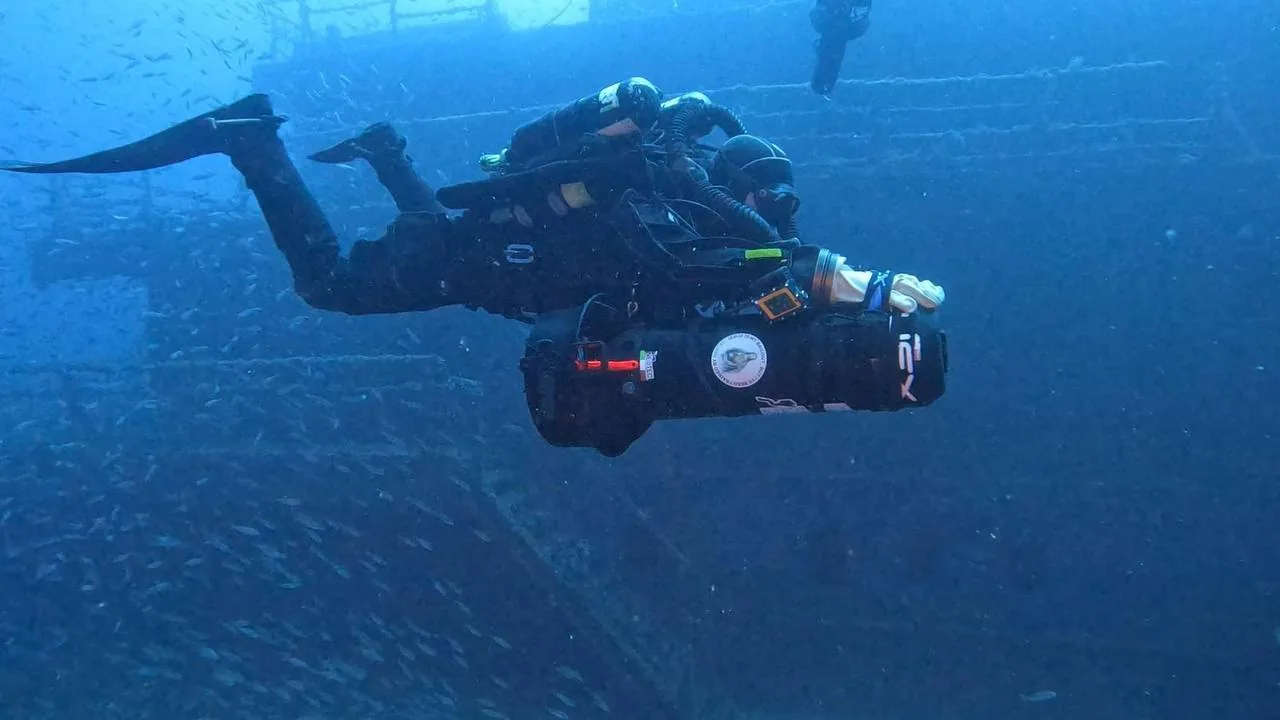
Equipment gets the attention (stage cylinders, mixes, computers), but what sets a technical diver apart is method:
- Plan: gas calculations, redundancy, contingency plan. Before going under, every scenario already has an answer.
- Configure: standardised equipment (Hogarthian / DIR), identical from one dive to the next.
- Manage stress: controlled “worst case” scenarios during training, so that a real failure is just one more procedure.
This is the approach Sébastien Wilem applies to every course, drawn from his tactical experience and deep exploration (−230 m).
Frequently asked questions
Do I need an advanced level to start technical diving?
You need to be a certified, comfortable diver with good buoyancy. Exact prerequisites (certification, number of dives, age) depend on the course and the agency; a technical instructor checks your level before you start.
Which course should I start with?
Intro to Tech: it teaches you to be a comfortable diver with solid buoyancy and trim. Next comes Advanced Nitrox & Deco, which introduces decompression stops and gas switches, the foundation of every later course.
What is the difference between normoxic and hypoxic trimix?
Normoxic trimix can be breathed at the surface and is used to around 60 m. Hypoxic trimix contains less oxygen than air: it is only breathable at depth and requires travel gases for the descent and ascent.
Can I take these courses in Luxembourg?
Yes. Neotec trains in Luxembourg: theory and confined water in Luxembourg City, technical dives in the Greater Region (Upper Sûre Lake, Belgian quarries, slate mines).
Read next
Becoming a diving instructor in Luxembourg.
Turning your passion into a career takes more than a card: you need to learn to teach, manage students and anticipate risks. Here is the full pathway, from the first professional level to Course Director.
7 min read →