Neotec Blog
Becoming a diving instructor in Luxembourg.
Turning your passion into a career takes more than a card: you need to learn to teach, manage students and anticipate risks. Here is the full pathway, from the first professional level to Course Director.
The five steps of the professional pathway
| Step | Role | Key skills |
|---|---|---|
| 1 · Divemaster | First professional level | Leading certified divers, planning, handling emergencies |
| 2 · Assistant Instructor | The bridge | Teaching skills, briefings, supervision in confined water |
| 3 · Instructor (IDC) | The heart of the profession | SDI methodology, risk management, organising a course |
| 4 · Specialty Instructor | Expertise | Teaching Deep, Wreck, Dry Suit… and growing your business |
| 5 · Course Director | The summit | Running IDCs and training tomorrow's instructors |
What you really learn on an IDC
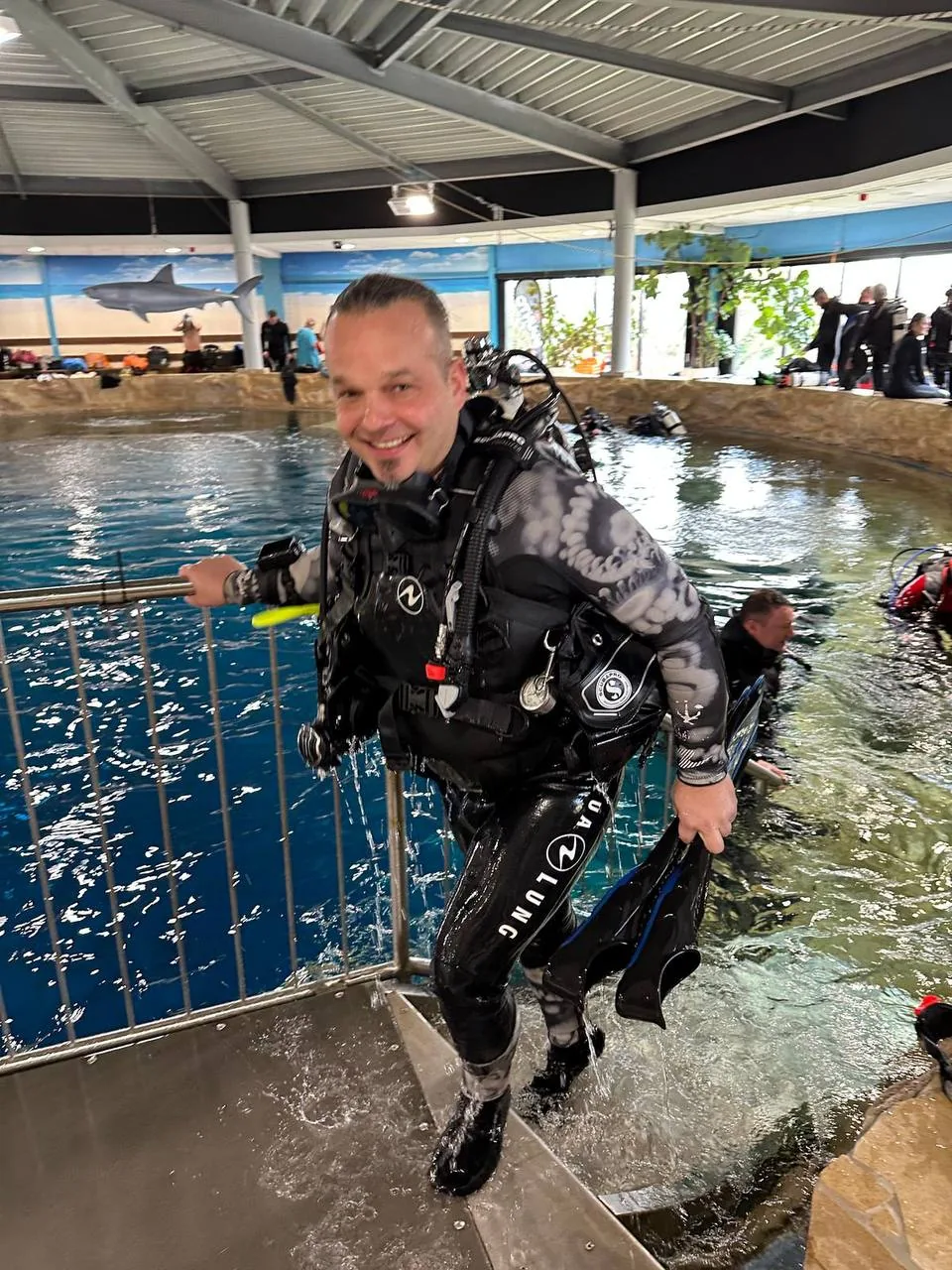
The Instructor Development Course is not a diving course: it is a course in how to teach. It covers presenting theory, running skills in confined and open water, assessing students and, above all, risk management.
At Neotec there is no two-week “Zero to Hero”: the aim is to train leaders, with real follow-up between each step and the operational rigour of technical diving. The business side is covered too: running an operation, selling courses, standing out.
Already an instructor? The Crossover
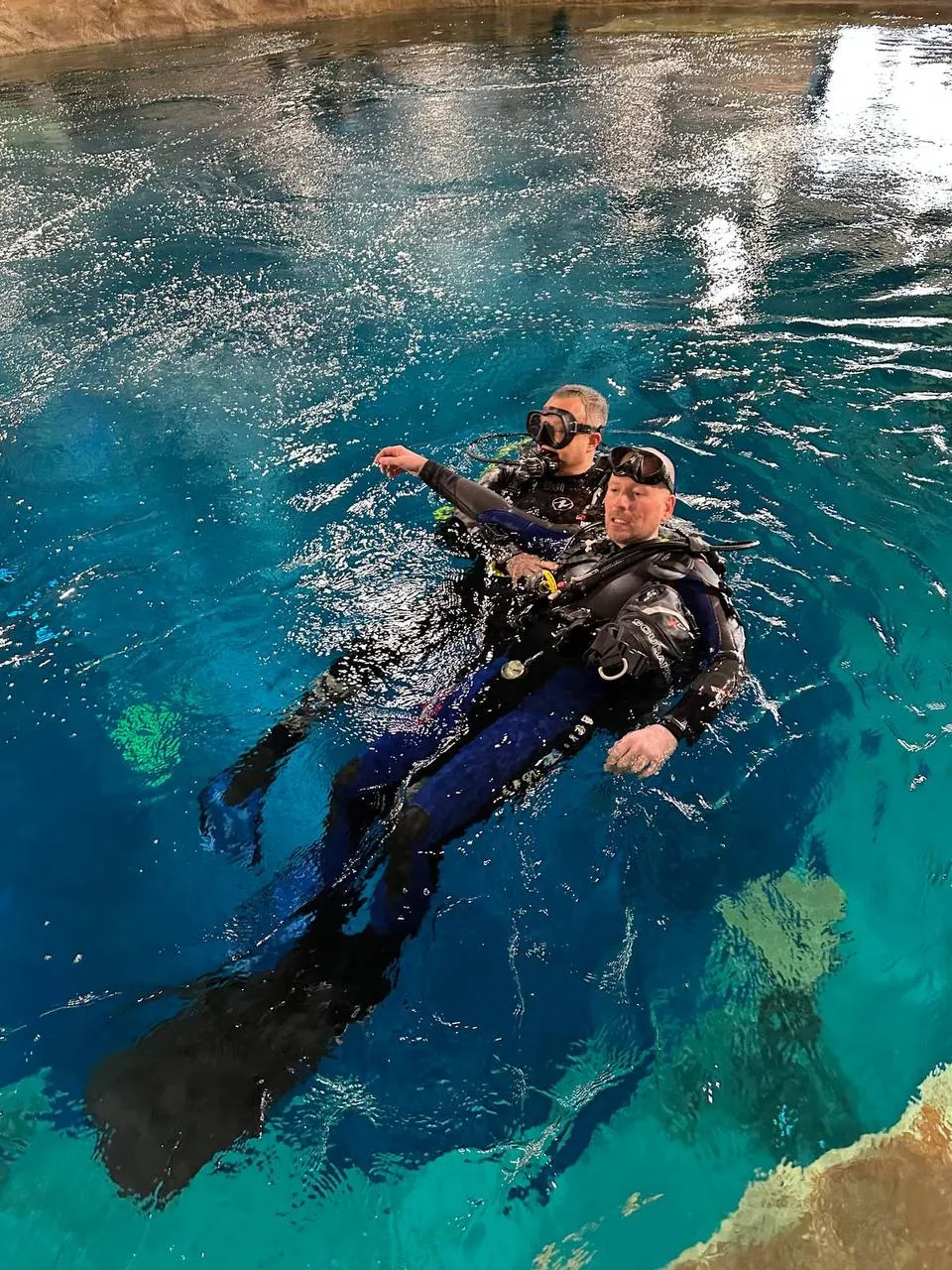
If you already teach with another agency (PADI, SSI…), there is no need to start again. The Crossover to SDI is an intensive but short bridge, usually 2 to 3 days, focused on standards, student management and SDI teaching tools. To go further, the TDI branch leads to Tech Instructor: teaching decompression, trimix and CCR.
A certification recognised everywhere
SDI (Scuba Diving International) is a member of the RSTC (Recreational Scuba Training Council) and the EUF. An SDI instructor certification is recognised worldwide, just like PADI or SSI: you can work at dive centres all over the world, from the Maldives to Thailand and across Europe.
And after certification?
The Course Director's role doesn't end when the certificate is handed over. Sébastien Wilem has an extensive international network: help writing a professional CV, advice on destinations and recommendations to partner centres. If you are also aiming for technical diving, read where to start in technical diving.
Frequently asked questions
How many steps are there to becoming a diving instructor?
The SDI pathway has five steps: Divemaster, Assistant Instructor, Instructor (IDC), Specialty Instructor and Course Director. You can stop at whichever step fits your plans.
Will my SDI instructor certification be recognised abroad?
Yes. SDI is a member of the RSTC and the EUF; the certification is recognised worldwide, like those of PADI or SSI.
I'm a PADI or SSI instructor: do I have to start again?
No. The Crossover to SDI is a short bridge, usually 2 to 3 days, focused on SDI standards and teaching tools.
Do I need to be a technical diver to become an instructor?
No, you can become a recreational instructor without technical experience. But training at a technical centre gives you far-above-average control of buoyancy and equipment.